


Table of Contents
To prepare for a discovery call, go in with a loose plan instead of a script: write down the questions you need to ask, let the client talk 60 to 70% of the time, and ask about budget within the first 15 minutes. Those three habits are what separate the designers who book the client from the ones who lose them.
How long should a discovery call be? Most run 30 to 60 minutes. Thirty is plenty if you have a clear structure; sixty gives you room to go deeper on a complex project.
What do I ask about? Cover six things before you hang up: the project, why now, what success looks like, the timeline, the budget, and who else is in on the decision.
What if they ask my price on the call? Give a ballpark range and save the exact number for the proposal.
If you’ve ever finished a call and realized you still don’t know the client’s budget or timeline, you’re not alone. Most designers feel that way before their first few calls. Here are the five mistakes that cost designers clients, and exactly how to avoid each one.
Mistake #1: Not Having a Clear Structure or Plan
This is the biggest one. And it’s the reason most designers feel awkward and unprepared on calls.
You show up. You say hi. They say hi. And then… silence. Or you start rambling. Or they take over the conversation and suddenly you’re 40 minutes in and you still don’t know their budget, their timeline, or what they’re actually trying to accomplish.
When you don’t have a structure for how to prepare for a discovery call, you go in reactive instead of proactive. The client controls the conversation. You forget to ask important questions. You miss red flags. And by the end of the call, you don’t have enough information to send a good proposal.
Here’s what to do instead:
Before every discovery call, write down the questions you need to ask. You don’t need a script. You need a loose plan.
Your structure should cover:
- What they’re working on (the project)
- Why they’re doing it now (the motivation)
- What success looks like (the goal)
- Their timeline
- Their budget
- Who else is involved in the decision
You don’t have to ask these questions in order. But you do need to make sure you cover all of them before the call ends.
Having a plan doesn’t make you sound robotic. It makes you sound like you know what you’re doing. And that confidence is what books clients.
Mistake #2: Talking More Than Listening
This one sneaks up on people. You’re nervous. You want to sound professional. So you start talking. You explain your process. You walk through your packages. You tell them about every project you’ve ever done.
And 30 minutes later, you realize you’ve been doing all the talking and you still don’t know anything about them.
Here’s the thing: discovery calls aren’t sales pitches. They’re conversations where you’re trying to discover what the client needs. You can’t do that if you’re the one talking the whole time.
A good rule when figuring out how to prepare for a discovery call: the client should be talking 60 to 70% of the time. You’re there to ask questions, listen carefully, and guide the conversation.
Here’s what to do instead:
Ask open-ended questions and then stop talking. Let them fill the silence.
Instead of: “I offer three options: bronze, silver, and gold.“
Try: “Tell me about what you’re hoping to accomplish with this project.“
Instead of: “Here’s how my process works.”
Try: “What does success look like for you six months from now?”
The more they talk, the more you learn. And the more you learn, the better you can position yourself as the person who understands exactly what they need.
Mistake #3: Not Asking About Budget Upfront
This is the mistake that wastes the most time.
You have a great call. The client is excited. You’re excited. You spend an hour crafting the perfect proposal. You send it over. And then you hear: “Oh, we were thinking more like $500.”
Your packages start at $3,000.
If you’d asked about budget in the first 10 minutes of the call, you could have saved yourself all that time.
A lot of designers avoid the budget question because it feels awkward. Or because they’re worried the client will say a number that’s too low and they’ll lose the project.
But here’s the thing: understanding budget early helps both of you. If your pricing doesn’t align with what they have available, it’s better to know that upfront so you can point them toward resources or designers who might be a better fit. Asking about budget isn’t about disqualifying people. It’s about making sure you’re both investing time in a conversation that can actually move forward.
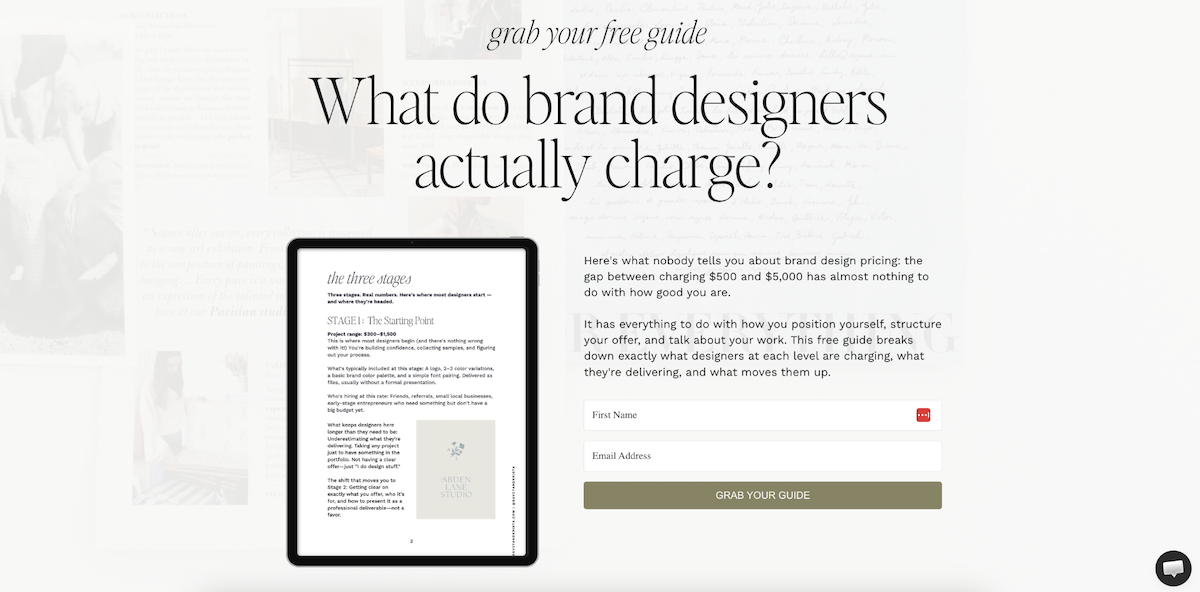
And if you don’t know where to price yourself to start, check out our free guide, What Do Brand Designers Acually Charge?.
Here’s what to do instead:
Ask about budget within the first 15 minutes of the call. And ask it directly.
“What budget have you set aside for this project?”
Or: “Do you have a budget range in mind?”
If you want to be even more prepared, include a budget question on your contact form or intake form before the call is even scheduled. That way, you can filter out inquiries that aren’t a fit before you ever get on a call.
If they say a number that’s way below your pricing, you have two options. You can refer them to someone who works in that range, or you can explain what’s realistic at different price points and let them decide if they want to adjust their budget.
Either way, you’re not wasting your time (or theirs) on a proposal that was never going to work.
Learning how to prepare for a discovery call means knowing when to walk away early. And budget is one of the clearest indicators.
Mistake #4: Combining the Discovery Call With a Demo or Pitch
You’re on the call. Things are going well. The client asks, “So what would you do for our brand?”
And you start pitching ideas. You walk them through your process. You start solving their problem right there on the call.
It feels helpful. But it’s actually working against you.
Here’s why: discovery calls and presentations are two different conversations. Discovery is about listening and gathering information. A demo or pitch is about presenting solutions.
When you try to do both in the same call, neither one gets the attention it deserves. You don’t ask all the questions you need to ask. And your pitch feels rushed because you’re running out of time.
The other problem? You’re giving away your expertise for free. If you start solving their branding problem on a discovery call, they might take your ideas and run with them. Or they might think, “Oh, this seems easy. Maybe I can just do it myself.”
Here’s what to do instead:
Keep discovery calls focused on discovery. Ask questions. Listen. Take notes. Let them know you’re gathering information so you can put together a thoughtful proposal.
If they ask what you’d do for their project, say: “That’s a great question. I want to take some time to think through the best approach based on everything you’ve shared today. I’ll include that in the proposal I send over.”
Then, when you send your proposal, that’s where you present your ideas, your process, and your pricing. Give each conversation its own space.
Mistake #5: Ending Without Concrete Next Steps
The call wraps up. You say, “Great, I’ll send over a proposal soon.”
They say, “Sounds good!”
You hang up. You send the proposal three days later. And then… nothing. No response. You follow up. Still nothing.
This happens all the time. And it’s usually because the call ended without clear next steps.
When you say “I’ll follow up soon,” the client doesn’t know when to expect your proposal. They don’t know what happens after they receive it. And they’re probably talking to other designers who are giving them the same vague timeline.
The designers who book clients consistently are the ones who end every discovery call with a plan.
Here’s what to do instead:
Before you hang up, confirm exactly what happens next.
“I’m going to put together a proposal and send it to you by Friday. When you receive it, take a look and let me know if you have any questions. Then let’s schedule a follow-up call for early next week to go over everything. Does Tuesday at 2pm work for you?”
Now they know:
- When they’ll get the proposal (Friday)
- What they should do when they get it (review it and ask questions)
- When you’ll talk again (Tuesday at 2pm)
You’ve taken control of the timeline. You’ve removed the uncertainty. And you’ve made it easy for them to say yes.
Ending a discovery call with concrete next steps is one of the simplest ways to increase your booking rate.
How to Prepare for a Discovery Call: A Simple Checklist
If you want to stop making these mistakes and start booking more clients, here’s a simple checklist for how to prepare for a discovery call:
Before the call:
- Review their inquiry form or email so you know what they’re looking for
- Write down the questions you need to ask (project details, timeline, budget, decision makers)
- Set up your space so you’re not distracted
During the call:
- Let them do most of the talking (60-70%)
- Ask about budget within the first 15 minutes
- Take notes so you remember the details
- Don’t pitch ideas or solve their problem yet
- Confirm next steps before you hang up
After the call:
- Send a quick thank-you email
- Put together your proposal based on what you learned
- Follow up on the timeline you agreed to
That’s it. You don’t need to overcomplicate it.
Why Discovery Calls Feel Awkward (And How to Fix It)
If you’re new to discovery calls, they’re going to feel awkward at first. That’s normal.
You’re going to forget to ask about budget. You’re going to talk too much. You’re going to end a call and realize you have no idea what their timeline is.
That’s part of learning how to prepare for a discovery call. You get better with practice.
But the fastest way to feel more confident is to have a plan. Know what questions you’re going to ask. Know how you’re going to handle objections. Know what you’re going to say when they ask about pricing.
The more prepared you are, the less awkward it feels.
And the less awkward it feels, the more clients you book.
Want a website that books clients while you sleep? Check out our Showit website templates designed specifically for creatives. Every template is built with clear calls to action, contact forms that actually convert, and layouts that make it easy for potential clients to say yes.
Frequently Asked Questions About How to Prepare for a Discovery Call
How long should a discovery call be?
Most discovery calls are 30 to 60 minutes. Thirty minutes is enough if you have a clear structure and stick to your questions. Sixty minutes gives you more time to build rapport and go deeper into the project details. Avoid going over an hour unless it’s a really complex project.
Should I charge for discovery calls?
Most designers don’t charge for discovery calls because they’re part of the sales process. You’re qualifying the client and gathering information so you can send a proposal. However, if you’re spending hours on calls with people who never book, you might want to introduce a paid consultation model where the fee is credited toward the project if they hire you.
What if the client asks about pricing on the discovery call?
Give them a ballpark range based on what you’ve learned so far. For example: “Based on what you’ve shared, projects like this typically fall in the $3,000 to $5,000 range. I’ll have a more specific number for you in the proposal.” This gives them an idea of what to expect without committing to an exact price before you’ve had time to think it through.
How do I prepare for a discovery call if I’m brand new and have no experience?
Write down your questions ahead of time so you don’t forget anything important. Focus on listening more than talking. And remember: the client reached out to you because they liked your work. They’re not expecting you to be perfect. They’re expecting you to understand their project and offer a solution.

Krista is the co-founder of Davey & Krista, a creative studio known for high-converting Showit website templates crafted for photographers, creatives, and entrepreneurs. With over 15 years of branding and marketing experience, she helps business owners launch stunning websites without the tech overwhelm. Krista also teaches designers how to turn their creative skills into a thriving business—through templates, courses, and behind-the-scenes strategy. When she’s not designing, you’ll find her chasing sunshine, color palettes, and gluten-free pizza.
Explore website templates and free resources at daveyandkrista.com.



VIEW THE COMMENTS
Add A Comment