


Table of Contents
One of the questions I get asked most often by designers who are earlier in their business is some version of this: “I’m doing everything right and the clients still aren’t coming.”
And when I ask what “everything” means, the answer is almost always the same. Posting on Instagram. Sending cold DMs. Maybe running a few ads. Those are genuinely the hardest ways to get clients. They’re not wrong exactly, but they’re also not where most sustainable design businesses actually come from.
Most independent web designers book the majority of their work through three channels: referrals from past clients and other designers, a portfolio site that ranks for the specific niche they serve, and being listed where people already go looking, directories, platform partner lists, and template shop referral networks. Cold outreach and social posting work, but far more slowly than most designers expect.
I want to give you the honest version of how this actually works, ranked by what produces the most consistent results, because you deserve better than “post more content and stay consistent.”
Where Do Web Designers Actually Get Clients?
Here’s how the channels rank in order of what tends to work best, and I’m being real with you here because the order might surprise you.
Referrals from past clients and other designers. This is NUMBER ONE by a significant margin, and it has been for as long as Davey and I have been in this industry. A happy client who tells two people about their experience with you is worth more than any marketing campaign you could run. The challenge is that referrals feel passive, like something that either happens or doesn’t. But there’s actually a system behind making them consistent, and it’s not about asking awkwardly at the end of a project. More on that in a minute.
A portfolio site that ranks in search. This is the channel most designers underinvest in, and honestly the one with the highest long-term return. A photographer who finds a brand designer by searching “Showit designer for photographers” is a warm lead who already knows what they want and is actively ready to hire. That person is worth ten cold outreach attempts. Getting your site to show up for those searches takes time and strategy, but once it’s working, it works around the clock without you doing anything.
Directories and partner networks. Being listed where potential clients already go looking is one of the most underrated client acquisition strategies I know of. The Showit platform partner list, niche-specific directories for your industry, and referral networks from shops and educators in your space, these are places where buyers with real intent are already searching. Getting listed in the right places is genuinely one of the highest-leverage things a newer designer can do, and it costs far less energy than social media.
Social media. Social works, but not the way most people use it. Volume doesn’t drive results the way it used to. What actually moves the needle is content that gets saved and shared, carousels that teach something specific, posts that demonstrate your thinking rather than just your output. Less but better is almost always the right social strategy for a designer.
Cold outreach. It works occasionally. It requires enormous effort for unpredictable returns. And it almost always converts at a lower rate than any warm channel. I’m not saying don’t do it. I’m saying don’t make it your primary strategy and then wonder why your calendar isn’t full.
How Do I Get My First Web Design Client?
This is a different question from the one above, and it deserves its own honest answer.
Your first client is almost always someone you already know, or someone who knows someone you already know. And there is absolutely nothing wrong with that. Every designer starts somewhere, and starting with a connection who trusts you before they’ve seen your portfolio is a completely legitimate first step.
Here’s what I’d actually do. Tell five to ten people in your life that you’re taking on web design clients. Not a social media announcement. A personal message to people who know you and respect you. Be specific about who you’re looking to work with and what you’re building. You will be surprised how quickly that turns into a referral.
Do one or two projects at a reduced rate specifically in exchange for a detailed testimonial and permission to feature the work prominently. Use those projects to build a portfolio and a process. And then raise your prices for the next inquiry. Our post on how much web designers should charge walks through exactly what those numbers should look like.
The goal of your first few clients is not maximum revenue. It’s building the proof that makes every future client easier to book.
Does My Portfolio Site Need to Rank in Google?
Yes. And here’s why this matters more than most designers realize.
When someone searches “brand and website designer for health coaches” or “Showit designer Annapolis Maryland,” they are not browsing. They are ready to hire. That’s a completely different kind of visitor than someone who stumbles across your Instagram.
The niche and location math here is actually encouraging. You don’t need to rank for “web designer,” which is an impossibly competitive search term. You need to rank for “Showit designer for wedding photographers” or “brand and website design for interior designers in Nashville.” Those searches have real volume, real intent, and far less competition.
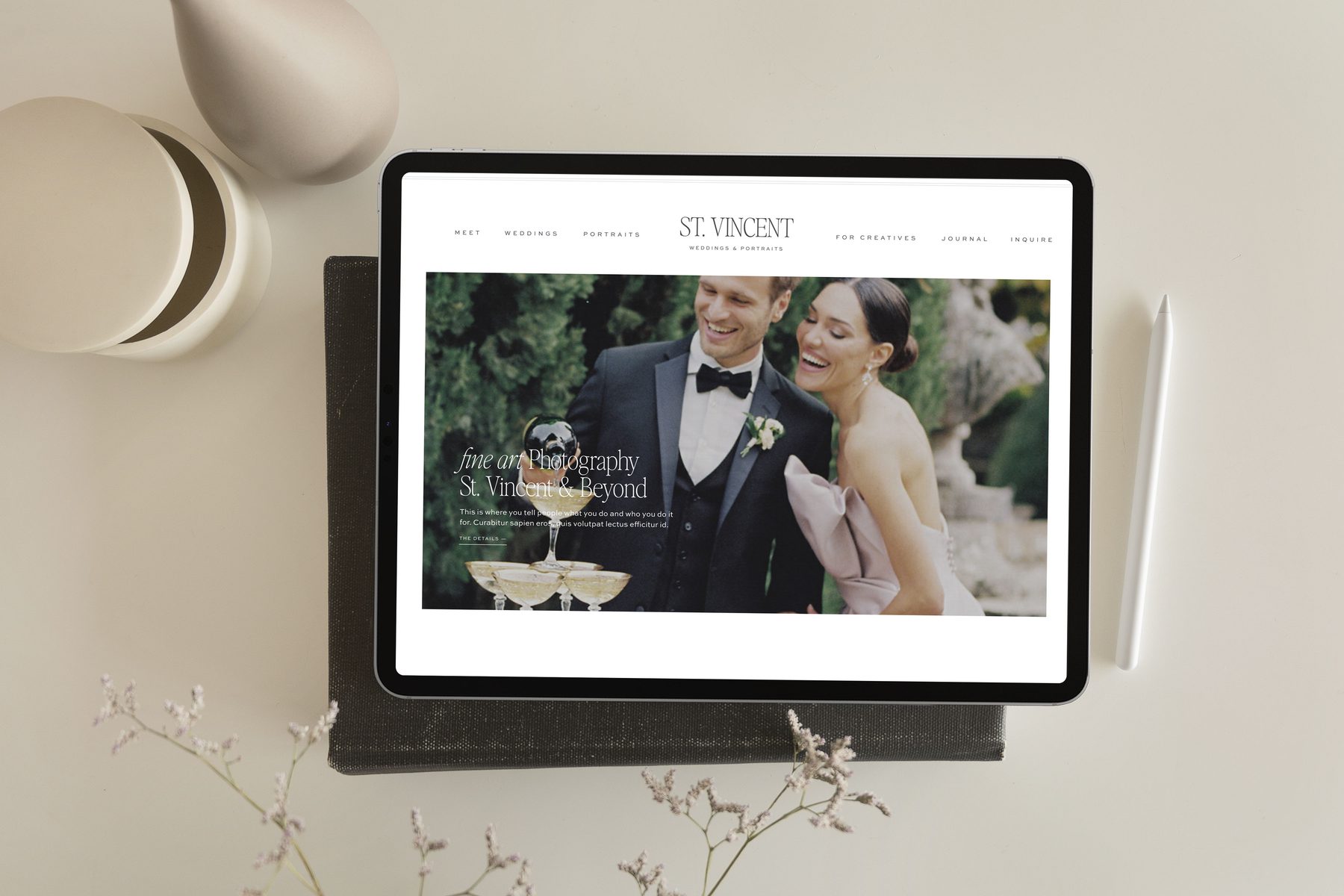
Getting there requires consistent blogging around the right topics, a well-structured portfolio page that uses the language your ideal clients actually search for, and the kind of on-page SEO setup that most designers set up once at launch and never revisit. Our Showit SEO Course covers exactly how to build this kind of search presence in a way that’s practical and genuinely doable even if SEO has always felt overwhelming to you.
How Do I Get Referrals Without Asking Awkwardly?
The designers who get the most referrals are not the ones who ask for them most aggressively. They’re the ones who make the experience of working with them so good that referring feels natural for the client.
Here’s the system behind that.
Deliver more than you promised. Not more pages or more hours. More care. More attention to the handoff. More thoughtfulness in the way you present your work. When a client feels genuinely taken care of, they talk about it.
Make the ask easy. At the end of a project, send a short email with something like: “If you know anyone who’s been thinking about investing in their website, I’d love an introduction. Here’s a quick description of who I work with best.” You’re not pressuring anyone. You’re making it easy for them to help you if they want to.
Stay connected after the project ends. A quick check-in email three months after launch, asking how the site is performing and whether they need anything, keeps the relationship warm and reminds them you exist right at the moment they might have a friend asking for a recommendation.
Build relationships with other designers who don’t serve your niche. This is one of the most reliable referral sources available and one of the most overlooked. A designer who specializes in e-commerce has clients who sometimes need a service-based site. A designer who’s booked out for six months has inquiries she can’t take. Those inquiries have to go somewhere. Make sure you’re the person she thinks of.
Do Designer Directories Work?
Yes, and I want to be specific about why, because this is not a generic answer.
Directories work because they intercept buyers who are already in search mode. Someone who lands on a designer directory has made a decision that they want to hire a designer. They’re not scrolling passively. They’re actively looking. That intent is enormously valuable, and getting listed in the right directories puts you in front of it without you having to generate it yourself.
At Davey & Krista, we regularly receive overflow inquiries that we can’t take on. Those inquiries go to designers listed in our directory. That’s real, specific referral traffic from people who are already familiar with our work and already trust our recommendation. Being listed in the Davey & Krista designer directory is included in your first year of Design Strategy School enrollment, which is one of the things I’m genuinely proud of because it’s a tangible, immediate benefit that most courses simply don’t offer.
Beyond our directory, look for platform-specific partner lists, niche directories in the industries you serve, and any space where your ideal clients are already looking for designers.
How Much Should I Be Posting on Social Media?
Less than you think, and better than you’ve been doing.
The era of “post every day to stay relevant” is over for most designers. What actually drives results on social media is content that earns engagement, saves, and shares, not content that fills a calendar. A single carousel that teaches something genuinely useful to your ideal client is worth twenty promotional posts that nobody saves.
Here’s how I’d approach it: pick one or two content formats that feel natural for you, commit to showing up with those consistently rather than trying to do everything, and measure your results by saves and profile visits rather than likes. Quality over volume is the sustainable approach, and it’s the one that leaves you with enough energy to actually do your client work well.
And if you want your website doing the heavy lifting of client attraction while you’re focused on your actual work, that’s exactly what our Showit SEO Course is built to help you do. It teaches you how to set up your portfolio site to rank for the specific searches your ideal clients are already making, so your website becomes a client acquisition channel that works whether you’re posting that day or not. That’s the kind of marketing that compounds over time instead of disappearing the moment you stop showing up.
Why Isn’t Any of This Working Yet?
If you’ve been trying these channels and nothing is moving, the honest diagnostic is almost never the marketing. It’s almost always the offer.
If someone lands on your site and can’t immediately tell who you help, what you do for them, and why you’re the right fit, the best marketing in the world won’t fix it. The problem isn’t that you’re not visible enough. It’s that your offer isn’t clear enough.
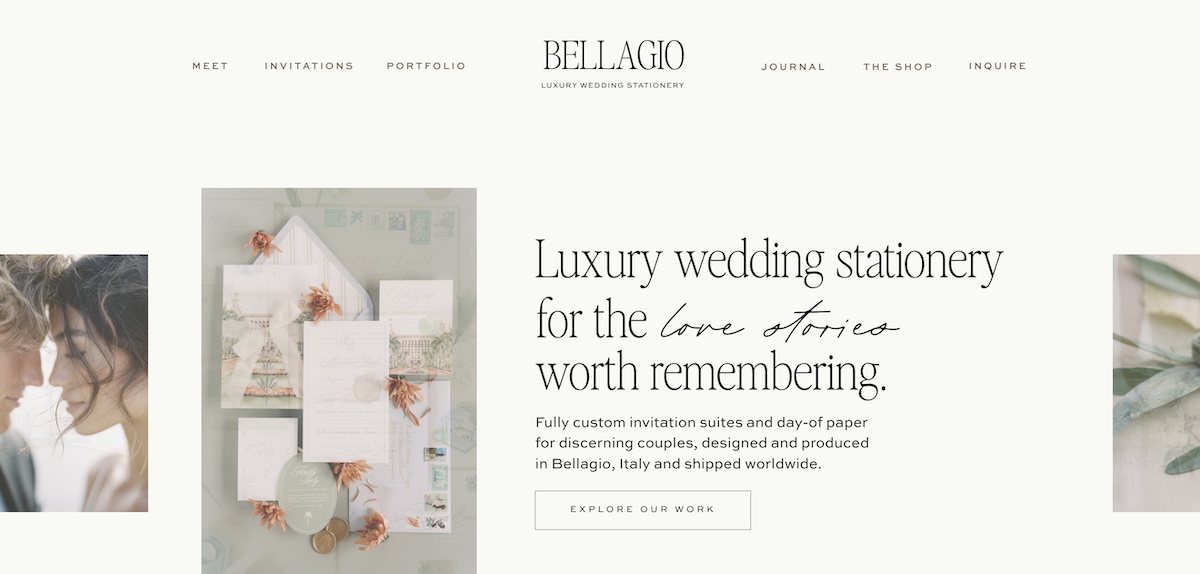
This is the conversation I have with designers inside Design Strategy School constantly. Before we talk about client acquisition strategies, we talk about what you’re actually selling and who it’s for. Because once that’s clear, the marketing becomes so much simpler.
FAQs
How do web designers find clients in 2026?
Most independent web designers book the majority of their work through referrals from past clients and other designers, a portfolio site that ranks for their specific niche in search, and being listed in directories and partner networks where potential clients are already looking. Cold outreach and social media work but convert more slowly than most designers expect.
How do I get my first web design client?
Start with people you already know. Tell five to ten people in your network that you’re taking on web design clients and be specific about who you’re looking to work with. Do one or two projects at a reduced rate in exchange for a detailed testimonial and portfolio permission, then raise your prices for the next inquiry.
Does posting on social media help web designers get clients?
It can, but quality matters far more than volume. Content that gets saved and shared, particularly carousels that teach something genuinely useful, drives far better results than posting daily without intention. Measure success by saves and profile visits rather than likes, and prioritize consistency over volume.
Do designer directories actually send clients?
Yes, when they’re the right directories. Davey & Krista regularly share overflow inquiries with designers listed in their directory, which means listings connect designers with warm leads from people who already trust the Davey & Krista recommendation. Being listed in the designer directory is included in the first year of Design Strategy School enrollment.

Krista is the co-founder of Davey & Krista, a creative studio known for high-converting Showit website templates crafted for photographers, creatives, and entrepreneurs. With over 15 years of branding and marketing experience, she helps business owners launch stunning websites without the tech overwhelm. Krista also teaches designers how to turn their creative skills into a thriving business—through templates, courses, and behind-the-scenes strategy. When she’s not designing, you’ll find her chasing sunshine, color palettes, and gluten-free pizza.
Explore website templates and free resources at daveyandkrista.com.


VIEW THE COMMENTS
Add A Comment