


Table of Contents
The first logo I ever sold, I charged $300 for it.
I thought that was reasonable at the time. I was new, I wanted the work, and honestly the number felt like something someone would say yes to. And they did say yes. Immediately. Which, looking back, tells you everything.
It took me years of working with real clients to understand that the price you put on your work tells the client exactly how much to value it. And $300 says: this is a quick task. It doesn’t say: this is a business investment. This is a strategy. This is something worth protecting and building on.
The same principle applies to web design. Most web designers in 2026 charge between $3,500 and $12,000 for a full custom website. Template-based builds typically land between $2,500 and $9,500. Full brand-plus-website projects run $7,500 to $20,000. And how much a web designer should charge depends far less on how many years you’ve been doing this than on what the site is actually worth to the business paying for it.
That realization changed how I priced everything. And it’s where I want to start.
What Do Web Designers Actually Charge in 2026?
Here’s something I wish someone had handed me in a simple, clear list when I was starting out. So that’s exactly what I’m going to do for you.
Web design pricing breaks down pretty cleanly by project type, and knowing where you fit helps you make a confident decision instead of a panicked one.
Template-based website builds: $2,500 to $9,500. This is where most designers start, and there is nothing wrong with that. I think a lot of people believe that a custom design is the gold standard of projects, but I’m honestly not a big fan of custom. Every website project we create starts with one of our templates.
A designer who takes a Showit template and customizes it strategically for a client, who directs the copy, shapes the brand positioning, and makes that template feel completely built for that business, is delivering real, meaningful value. The key word is strategically. A template handled thoughtfully by someone who understands design and conversion is a completely different product than a template dropped in unchanged.
Full custom website design: $3,500 to $12,000. This range covers everything from a clean five-page service provider site to a complex multi-section portfolio with integrated booking systems, a full SEO setup, and custom design decisions on every single canvas. Where you land in this range comes down to scope, your process, and how clearly you can communicate what you’re actually delivering.
Brand plus website projects: $7,500 to $20,000. These projects command more because they deliver more. You’re not just building a site. You’re giving a business a complete visual language to carry across every touchpoint. And clients who invest at this level? They show up differently. They’re more prepared, more decisive, and more trusting of your expertise. I’ve experienced this firsthand, and the difference is real.
Ongoing care plans and retainers: $200 to $800 per month. This one doesn’t get talked about enough and it should, because recurring revenue from retainer clients is what takes the financial stress out of project-based work. A small roster of retainer clients changes the entire feeling of running a design business. Build it in from the start.
At Davey & Krista, we’ve watched designers across every one of these price points grow inside Design Strategy School, and the ones who move up fastest are almost never the most technically skilled people in the room. They’re the ones who understand how to talk about what they do and why it matters.
Why Is Web Design Pricing So Inconsistent?
Honestly? Because most designers price from fear, not from outcome. And I say that with a lot of grace, because I did it too.
When you’re newer to this work, pricing feels like a negotiation you’re already losing before it starts. You don’t know what’s normal. You don’t know what clients expect. You don’t want to name a number and watch someone’s face change. So you name a number that feels safe instead. A number you think they’ll say yes to.
And here’s the thing about a number designed to get a yes: it is almost never a number that reflects what the work is actually worth.
When you consistently underprice, a few things start to happen that compound quietly over time. You attract clients who are price-sensitive, which means you attract clients who push back on every creative decision. You start to resent the project before it’s halfway done. And you end up building a business that requires you to take on more and more work just to cover your basic expenses, with no margin left for anything else.
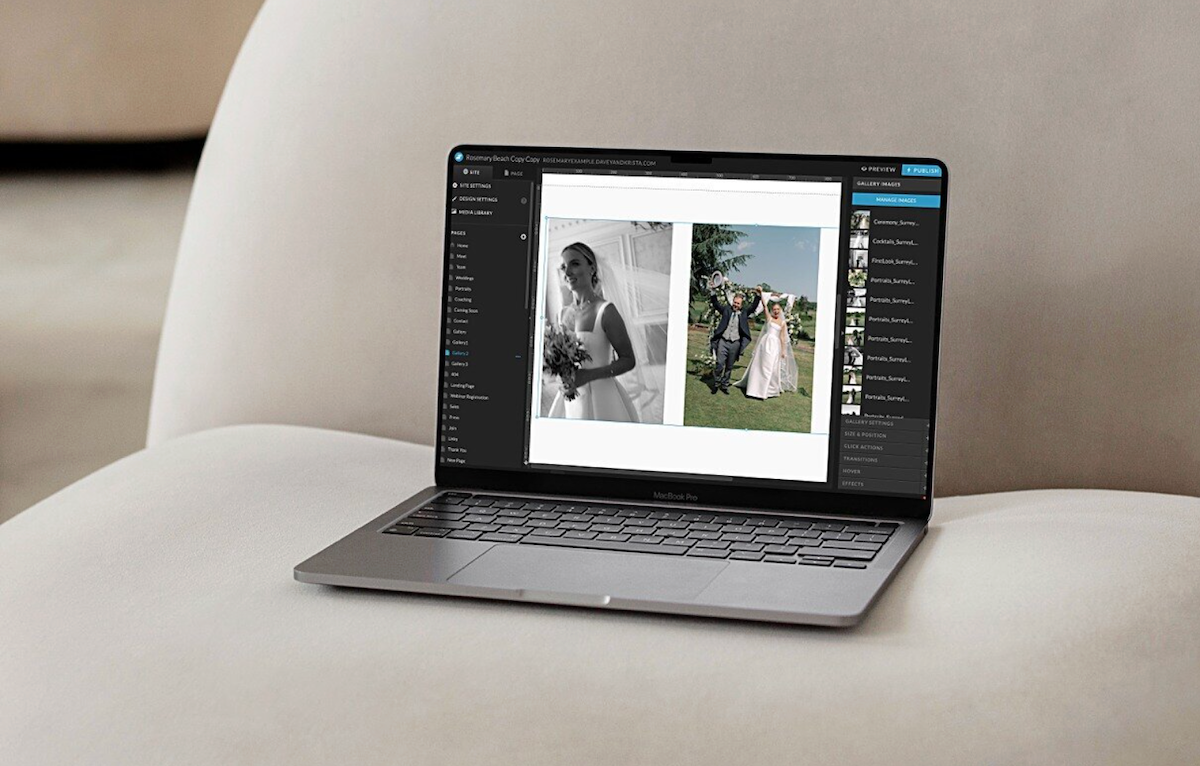
The market doesn’t sort this out for you. You have to sort it out yourself, through how you position your work, how you present it, and what you consistently deliver.
How Do I Know If I’m Underpriced?
There are three signals I’ve seen over and over again in designers who are undercharging, and none of them are subtle once you know what you’re looking for.
You dread the project before it starts. Not nervous excitement, which is normal and healthy. Dread. That sinking feeling when a client signs and your first thought is “I just agreed to a lot of work for not enough money.” That’s your gut telling you the number was wrong before you even opened the project folder.
You’re doing revision rounds you never agreed to. Scope creep almost always happens at lower price points. Not because those clients are bad people, but because low investment tends to come with low clarity and low trust. A client who has paid a significant amount for your work almost always shows up more prepared and more willing to let you lead. They hired you because they believe in your expertise. They’re not trying to second-guess every decision.
You cannot take a week off without your income disappearing. This one is big, and I want you to really sit with it. If missing one week of project work would meaningfully impact your ability to pay your bills, your prices are not supporting the business you’re trying to build. A sustainable design business has margin built into it. That margin comes from pricing correctly, not from working more hours.
If any of these feel familiar, that’s genuinely useful information. Not something to feel bad about. Something to act on, starting now.
What Should I Charge for My First Paid Website?
A real answer: your first paid website should be priced at a minimum of $1,500, even if it’s a template-based build for someone you already know.
I know that might feel like a stretch when you’re just getting started. But here’s what I’ve watched happen over and over: charging $300 or $500 for a website does not make you more likely to get hired. It makes the client less likely to take the project seriously, less likely to come prepared, and more likely to treat the whole thing as something disposable. Price signals value before the client has seen a single design.
If you’re brand new and still building your portfolio, you have options. You can offer one or two projects at a reduced rate specifically in exchange for a detailed testimonial and the right to feature the work prominently. Or you can start at $2,500 to $4,000 for a template-based build with a clearly defined, limited scope. What I’d gently steer you away from is starting at the very bottom and trying to inch upward, because raising your prices with the same audience is so much harder than simply starting higher with a new one.
From your first project, work toward charging $2,500 to $3,500 for a straightforward template build within your first six to nine months. That’s not an aggressive timeline. That’s just what happens naturally when you complete a few projects, get clearer on your process, and start talking about your work with genuine confidence.
How Do Experience and Niche Change How Much a Web Designer Should Charge?
This is the part that genuinely surprises most designers the first time they hear it, and I love watching it land.
Niche moves your price faster than years of experience does.
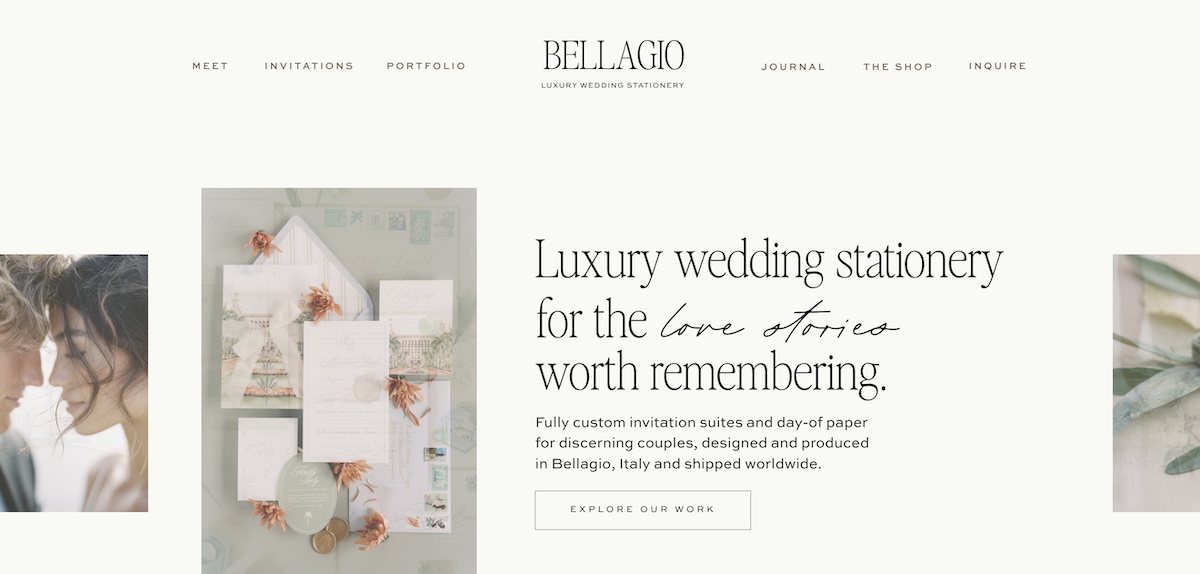
A designer who has been doing generalist web design for four years will almost always earn less per project than a designer who has been doing brand and web design specifically for, say, wedding photographers for eighteen months. Not because the generalist is less talented. Because the specialist can speak directly to a specific client’s exact problem in a way that feels like they were made for each other. And that specificity commands a premium every single time.
When you can say “I design websites specifically for wedding photographers who want to book higher-end clients and rank in local search,” you are not competing with every web designer on the internet. You’re competing with a much smaller group. And because your work isn’t interchangeable, you can charge more for it.
This is one of the first things we work through inside Design Strategy School because it is genuinely one of the most powerful decisions a designer can make early on. Picking a niche feels like closing doors. In practice, it almost always opens more of them. And it almost always raises your prices.
What’s Actually Included at Each Price Point?
The price a designer charges reflects not just the design itself but the entire experience around it. Knowing what should be included at each level helps you build offers that feel confident and clear, not like you’re making it up as you go.
At $2,500 to $5,500, you’re typically delivering a template-based website (like the ones we create for Showit) with custom copy direction, image sourcing guidance, a basic SEO setup, and a clean handoff. Scope is contained. Process is streamlined. This is a genuinely strong starting package for a newer designer who wants to deliver real value without overcommitting.
At $4,500 to $8,000, the client is getting more strategic thinking, more pages, more custom design decisions, a deeper discovery process, and often some brand direction woven in alongside the site. At this level, your process starts to matter as much as the deliverable itself. How you run a discovery call, how you present your work, how you manage feedback rounds, all of that contributes to whether the client feels the investment was worth it.
At $8,500 and above, you’re delivering a full creative partnership. Complete visual identity. A website built around a clear conversion strategy. An onboarding and offboarding experience that feels as considered as the design itself. Clients at this level are not just buying a website. They’re buying the confidence of having someone who deeply understands their business in their corner.
How Do I Present the Price So It Doesn’t Feel Scary?
Presentation is half of pricing. You can have exactly the right number and still lose a client in the moment you say it, if you haven’t built enough context around what it means.
Here’s what actually helps. Name the outcome before you name the price. “This project will give you a fully custom website designed to convert your ideal clients, set up for local search, and ready to launch in six weeks” lands completely differently than leading with a dollar figure. Lead with what they’re getting. Let the price follow.
Send a proposal, not just a quote. A well-designed proposal that walks through your process, your deliverables, your timeline, and your investment is itself a demonstration of the quality of work they’re about to receive. It’s your first deliverable, even if the client doesn’t think of it that way.
And please, don’t apologize for the number. The moment you say “I know it’s a lot” or “I can be flexible” before someone has even responded, you’ve undermined the price before they’ve had a chance to say yes. Name the investment clearly. Then stop talking. Let it land.
Pricing is almost always the thing that keeps designers stuck the longest. And it’s the first thing we fix inside Design Strategy School, because everything else, your clients, your projects, your income stability, flows from getting this right.
If you’re not quite ready for the full course, Booked by Design is a focused, practical class on building a studio that books aligned clients at the right price. It’s a great place to start.
FAQs
How much should a web designer charge for a website in 2026?
Most web designers charge between $3,500 and $12,000 for a full custom website in 2026. Template-based builds typically run $2,500 to $9,500, and full brand-plus-website projects land between $7,500 and $20,000. How much a web designer should charge depends on the scope, the niche, and what the site is actually worth to the business receiving it.
What should I charge for my first website design project?
A minimum of $2,500 for a template-based build is a reasonable starting point, even if you’re brand new. Pricing below that tends to attract clients who don’t take the project seriously and makes it significantly harder to raise your rates later. Start higher than feels comfortable, deliver more than you promised, and use the first few projects to build the confidence to charge more.
Does niche affect how much a web designer can charge?
Yes, significantly. Designers who specialize in a specific industry or client type almost always earn more per project than generalists with comparable experience. Niche specificity reduces competition, increases perceived expertise, and allows you to speak directly to a client’s exact problem, all of which command a premium.
How do I raise my web design prices without losing clients?
Raise your prices with new clients first, not existing ones. Lead with outcomes before you name the investment, send a well-designed proposal instead of just a quote, and resist the urge to apologize for the number before someone has had a chance to respond. The designers who raise their prices successfully almost always do it alongside an upgrade in how they present their work, not just the number itself.

Krista is the co-founder of Davey & Krista, a creative studio known for high-converting Showit website templates crafted for photographers, creatives, and entrepreneurs. With over 15 years of branding and marketing experience, she helps business owners launch stunning websites without the tech overwhelm. Krista also teaches designers how to turn their creative skills into a thriving business—through templates, courses, and behind-the-scenes strategy. When she’s not designing, you’ll find her chasing sunshine, color palettes, and gluten-free pizza.
Explore website templates and free resources at daveyandkrista.com.


VIEW THE COMMENTS
Add A Comment