


We start every design project with a mood board (even when we’re just doing a website!)
As brand and website designers, we emphasize the importance of creating a brand people recognize, connect with, and trust. However, with so many elements of a brand, it can be challenging to know where to start.
Enter mood boards: the beginning of every gorgeous DK brand.
Today we’ll show you why mood boards are essential to the design process and how they help you create designs that resonate with your clients.
Table of Contents
Let’s dive in!
What is a Mood Board?
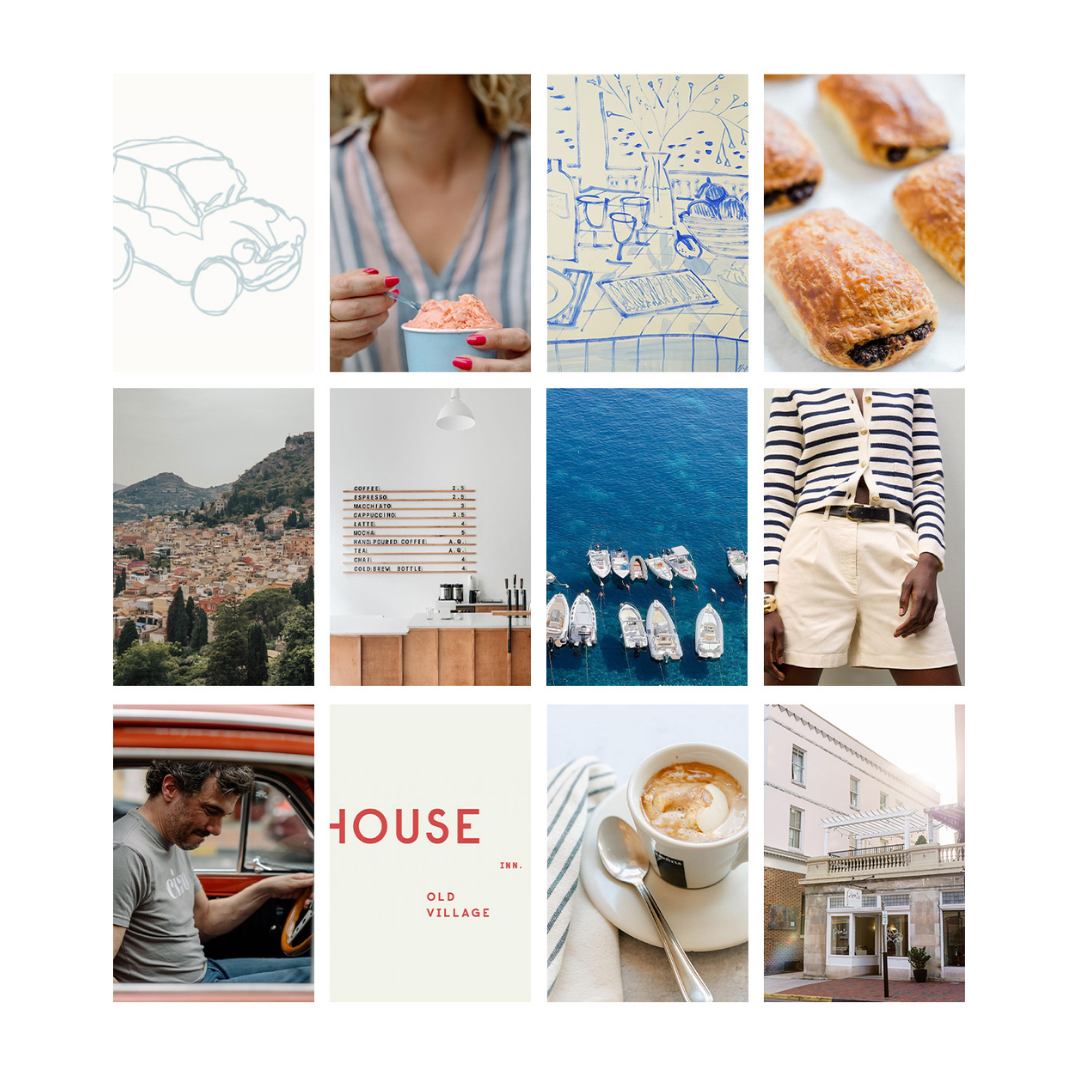
A mood board is a collection of visuals–images, fonts, and patterns—that convey a particular message. Its purpose is to capture a brand’s personality and establish a taste of the design to come.
Why do Mood Boards Matter?
Think of a brand design like a house–So many various elements make up the final creation.
You could technically jump right in and begin painting a front door or carving the wood for a picket fence. But the odds of everything fitting together just right are slim. Instead, every well-designed house begins with…
Blueprints.
A skilled builder starts his project with a blueprint, a big picture of the house he is about to build. In the same way, a designer should begin each branding project with a mood board.
Here are three reasons why mood boards lay the groundwork for a well-designed brand.
Provide Client Understanding
Mood boards are the conversation starter. They open the door to learn about a client’s story and get to know the client on a deeper level.
With every design project, our team asks clients to complete a branding questionnaire that tells us more about their business and the ideal client they’re trying to reach.
Within this questionnaire, we gather names of fashion brands our client loves, locations they want to travel to, how their ideal client spends their Sunday, etc. In other words, we gather intel on what inspires their ideal client.
Then, our team gathers imagery for a mood board based on the questionnaire. Once our client sees everything in a mood board, they can make tweaks and changes until it feels just right.
This back-and-forth ensures our design team understands our client’s vision before diving into the details. A client might tell us they love the “light and airy” aesthetic, but that can be interpreted countless ways.
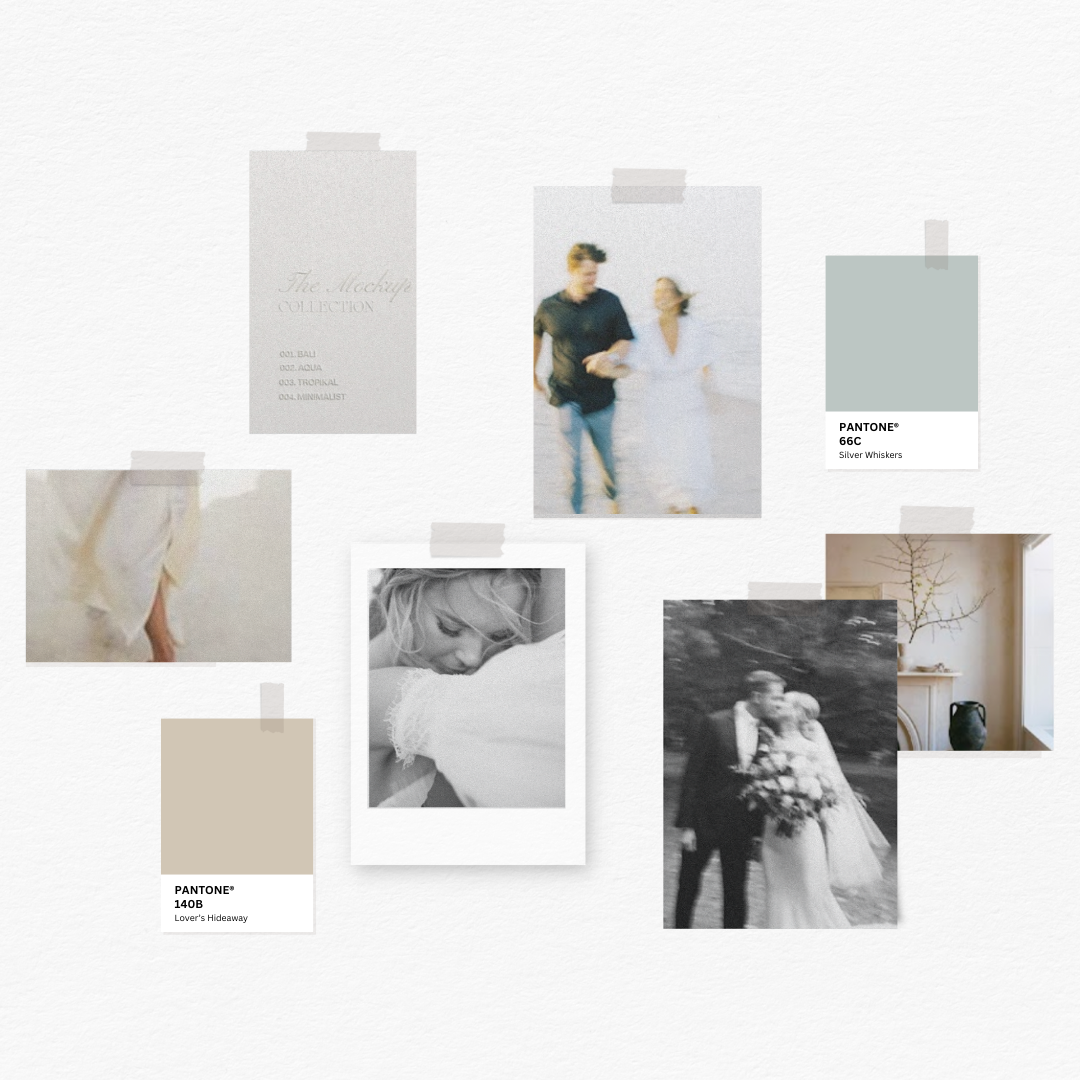
Creating a mood board allows for an open dialogue on what otherwise is abstract expectations. Mood boards make sure everyone is on the same page.
Set the Visual Strategy
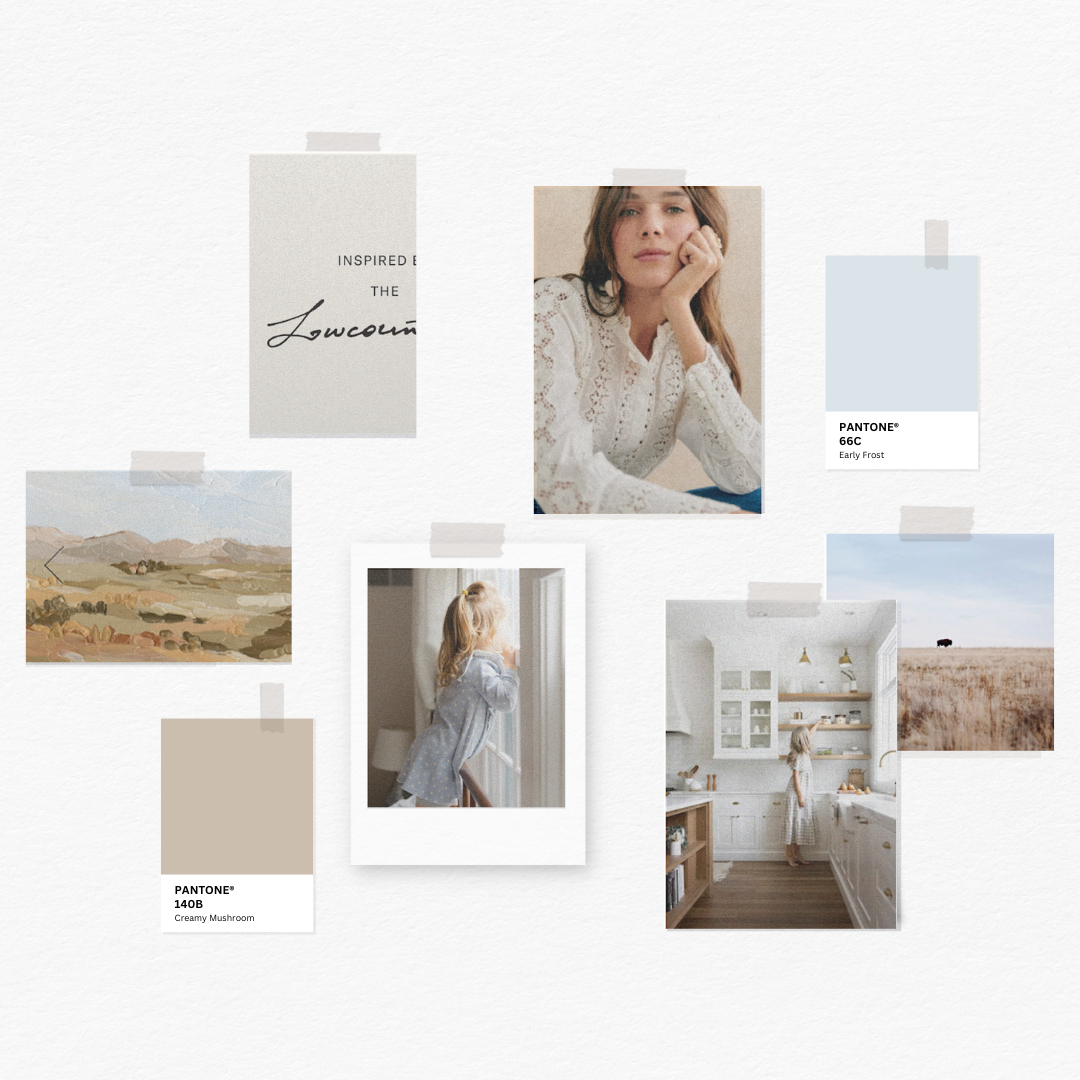
A mood board determines the visual theme for the rest of the design project. Once a client loves a mood board, it becomes our North–our reference point as we continue with the brand design.
Having a mood board keeps us on track with our client’s desires. It also ensures consistency across a brand, which is important for building trust. If you want to learn more about consistency across a brand design, read: How to Create Brand Guidelines.
The logo, imagery, voice, color palette, etc. of a brand design needs to feel cohesive. A mood board makes that cohesiveness much easier to attain.
Related: Download our Free Brand Guide
Inspire Anticipation
Mood boards get clients excited about the design project. Logo drafts, like websites, tend to take longer to create, but mood boards are faster.
By seeing the different design elements come together cohesively, clients can get a sense of what their brand will look like before any designs are finalized.
This helps build excitement and anticipation for the final product.

How do I create a Mood Board?
Create a mood board your client loves begins by understanding who your client is and who they’re trying to reach. Our favorite way to gather this information is through a branding questionnaire.
Once you understand your client’s vision, you can begin gathering images, colors, textures, patterns, and typography which reflect that theme. You can find inspiration from various sources, such as magazines, websites, Pinterest, etc. Once you have all of the elements, arrange them in your mood board in an appealing way.
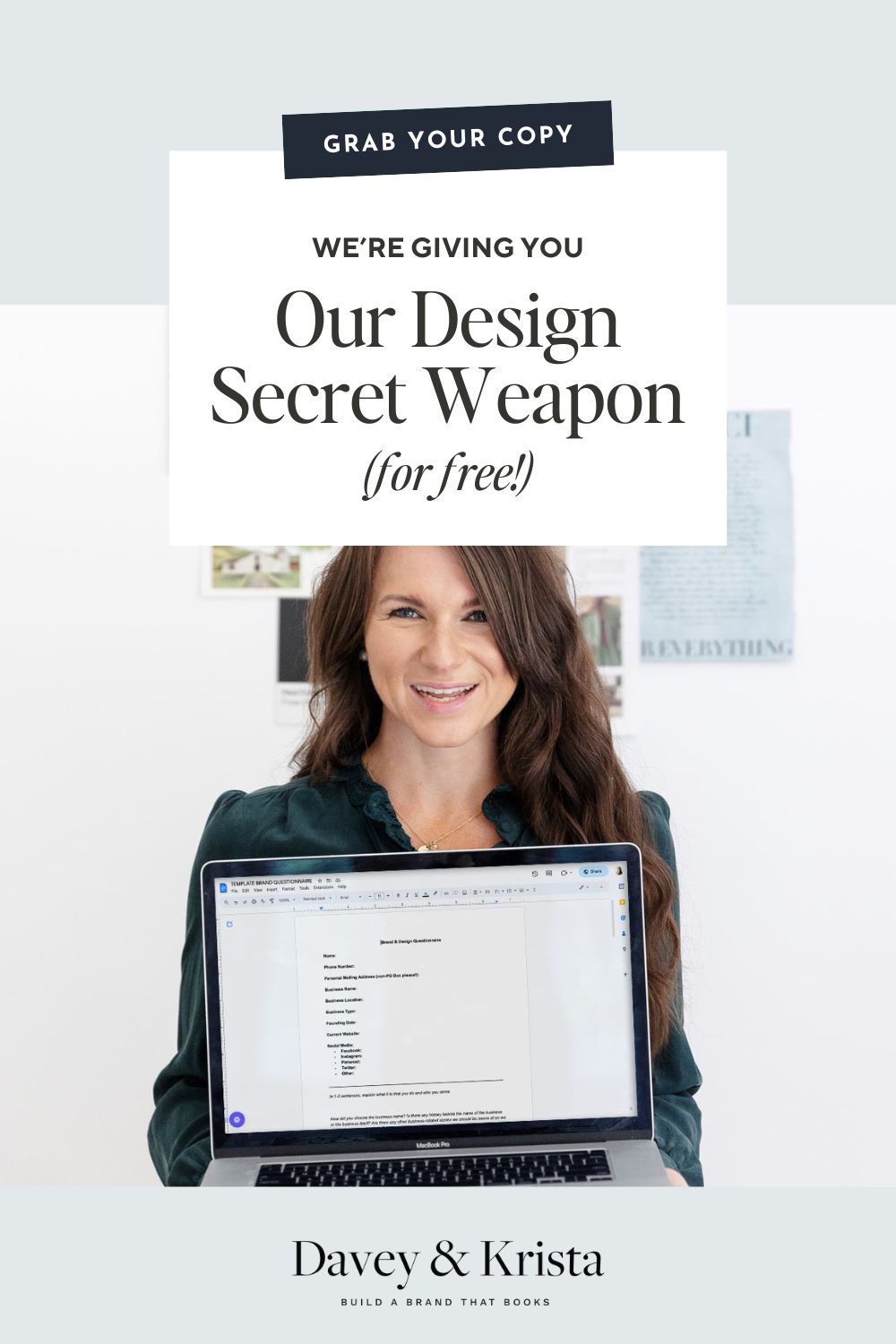
We’re sharing our entire process for creating a mood board, from our very own brand questionnaire to our mood board PSD file.
Download your Free Brand Questionnaire + Mood Board File
Not only do we give you the exact questionnaire we send our own clients, but we also walk you through each question and the process we use to create mood boards that lead to happier clients which lead to more clients booked.
Once you’ve downloaded the material above, you might also enjoy watching this YouTube video we made for you: How to Create a Custom Mood Board for Your Brand.
Conclusion
Your mood board is your blueprint for a brand design that resonates with your client. It provides client understanding, sets the visual strategy, and helps your client anticipate the complete design on the way!
Creating a mood board should be fun, and in the long run, save you hours of miscommunication and in-cohesiveness. We start every design project with a mood board, and hopefully, now you will too.
Did you find this post helpful? Comment below and share your thoughts!

Krista is the co-founder of Davey & Krista, a creative studio known for high-converting Showit website templates crafted for photographers, creatives, and entrepreneurs. With over 15 years of branding and marketing experience, she helps business owners launch stunning websites without the tech overwhelm. Krista also teaches designers how to turn their creative skills into a thriving business—through templates, courses, and behind-the-scenes strategy. When she’s not designing, you’ll find her chasing sunshine, color palettes, and gluten-free pizza.
Explore website templates and free resources at daveyandkrista.com.


VIEW THE COMMENTS
Add A Comment